Biotherapeutics
Development of efficacious and robust biologics is a complex process. Light scattering technologies assist at each stage with uniquely versatile technologies for biophysical screening and characterization, from target and candidate discovery to selection, optimization, purification, formulation and manufacturing scale-up.
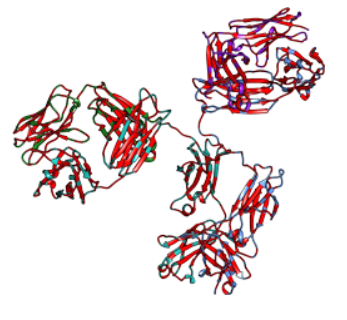
Some key applications of light scattering in biotherapeutic development are described below.
Target & Candidate Proteins
Once target proteins and candidate biomolecules for a given indication have been identified, they must be produced at a small scale in sufficient quantities…
ExploreCandidate Selection & Optimization
Post-translational modifications such as glycosylation or PEGylation are often applied to proteins or peptides in order to improve stability and increase…
ExploreProcess Development
Light scattering measurements help process development in several ways:
ExploreFormulation
In the formulation process, many combinations of buffer conditions and excipients must be tested for stability and propensity for aggregation. Final selection…
ExploreHigh-Concentration Formulation
Additional characterization challenges in the course of high-concentration formulation of monoclonal antibodies and other biotherapeutics include understanding…
ExploreBiophysical Characterization
Light scattering is an essential part of any biophysical characterization lab for biotherapeutics, and is recognized by the FDA as a key technology for…
Explore
Vaccines
To ensure safe and efficacious vaccines, it is essential to implement robust and reliable characterization tools across discovery, development, production and…
Explore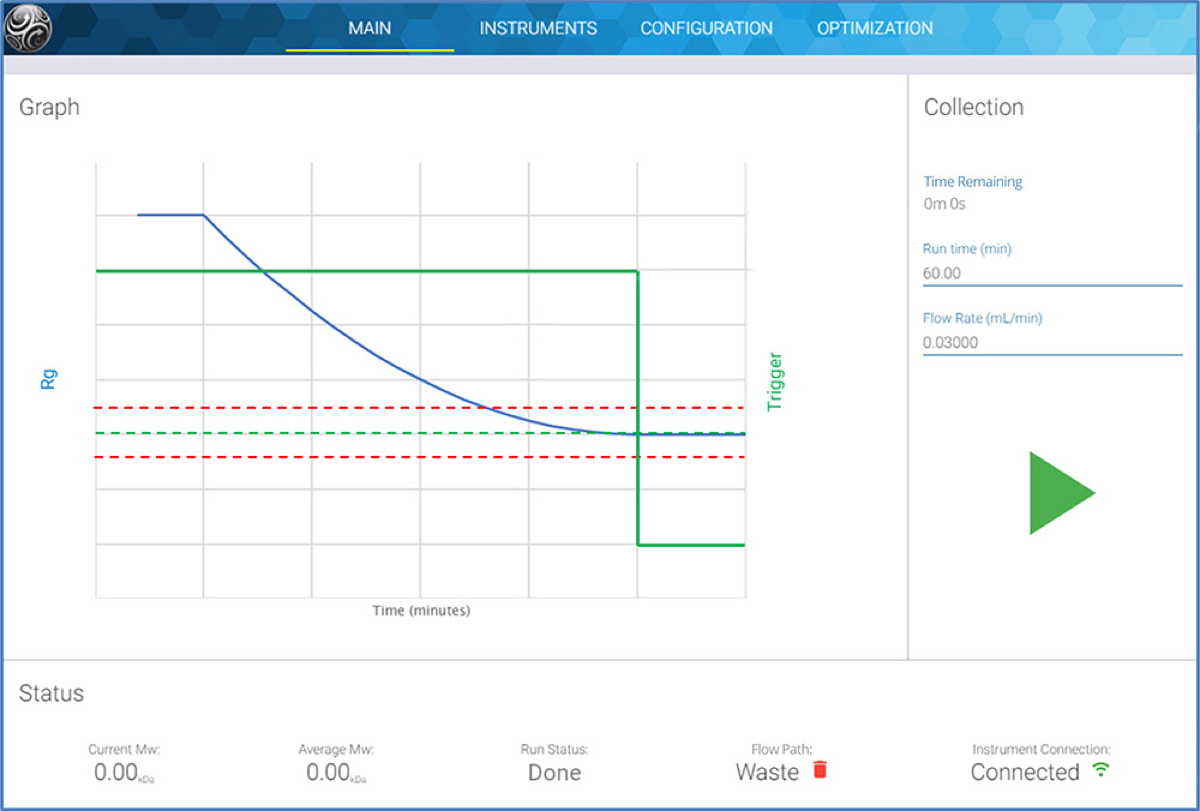
Process Analytical Technology
In current biotherapeutic manufacturing strategies, “the process is the product” means that strict control of process parameters such as pH, temperature, and…
Explore