Thermal Conductivity & Diffusivity Analyzers
Thermal conductivity is a measure of a material’s ability to transfer heat and thermal diffusivity measures the rate of heat transfer. Together with specific heat capacity, these thermophysical property measurements offer comprehensive informationon a material’s ability to store and transfer heat. The precise and accurate measurement of heat transfer properties is critical for materials that are required to insulate, conduct, or simply withstand temperature changes.
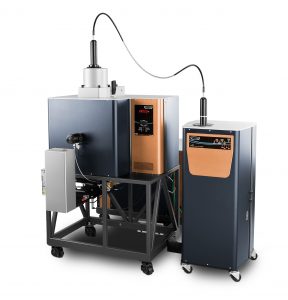
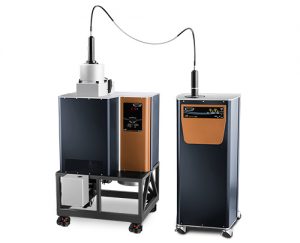
The thermophysical properties of thermal conductivity, diffusivity, and specific heat capacity can be determined with heat flow meters and laser flash (or light flash) analyzers. Thermal conductivity of insulation and construction materials that include polymers, composites, ceramics and refractories are typically measured on a heat flow meter. . Laser and Light flash analyzers can be used to determine all three properties of a diverse array of materials over a wide range of test conditions with unparalleled accuracy. The measurement of heat energy storage and transfer empower all stages of material selection and product design with comprehensive heat transfer modeling and critical information about material composition, purity, structure, and performance characteristics.
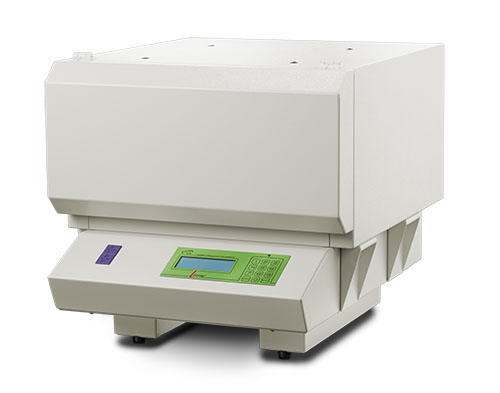
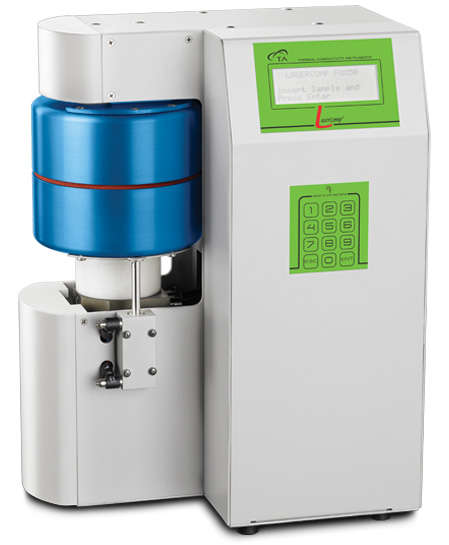
TA Instruments provides the most extensive and comprehensive range of instruments for the precise and accurate measurement of heat transfer properties of a wide range of material types and temperatures. TA Heat Flow Meters, including the DTC 300 and FOX Series, offer a direct measurement of thermal conductivity for low to medium conductivity materials designed in accordance with numerous ASTM, ISO and EN standard methods. The Discovery Flash Diffusivity instruments are designed to measure thermal diffusivity and specific heat capacity in moderate to high conductivity materials in the -150°C to 2800°C temperature range. TA Instruments’ diverse line of heat flow meters and laser flash analyzers are designed to exceed your expectations for testing any material at any temperature.
Light/Laser Flash Analyzers
6 productshttps://www.youtube.com/watch?v=oZyMw7eTbI4
Light or laser flash is a measurement technique used to determine the thermal diffusivity, thermal conductivity, and specific heat capacity of materials. Light flash measurements are essential for characterizing the heat transfer and storage properties of a variety of materials, whether the sample of interest is expected to insulate, conduct, or simply withstand temperature changes. Heat transfer property measurements are often used to model heat transport through a system, but also reflect important information about material composition and structure as well as secondary performance characteristics such as tolerance to thermal shock. Light/Laser flash is the most effective method for measuring thermal diffusivity over a wide range of temperatures and offers non-destructive material testing with accurate, reproducible results.
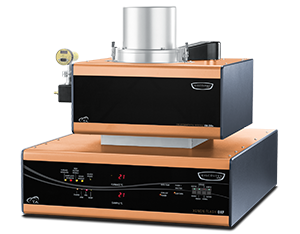
Thermal Conductivity Meters
7 productshttps://www.youtube.com/watch?v=oZyMw7eTbI4
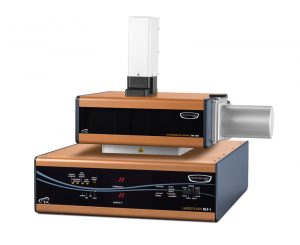
Thermal conductivity defines a material’s ability to transfer heat. Accurate values are essential for modeling and managing heat, whether the component of interest is called on to insulate, conduct, or simply withstand temperature changes. Information about these properties are routinely used in heat transfer models of all complexities. Thermophysical property measurements also reflect important information about material composition, purity and structure, as well as secondary performance characteristics such as tolerance to thermal shock. Steady-state methods determine thermal conductivity directly from the relationship between heat flow through the tested material and a temperature difference applied across the material (Fourier Law). A specimen of approximately 2” in diameter is positioned between two temperature-controlled plates with a user-defined temperature difference and the average heat flux through the material is measured to calculated thermal conductivity and thermal resistance at each setpoint.
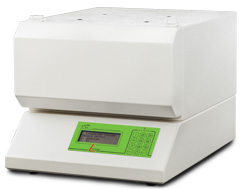
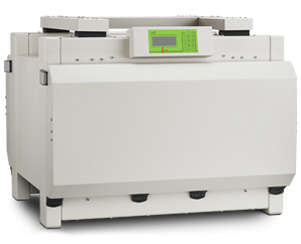
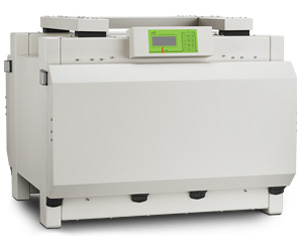
FOX Heat Flow Meters
7 productshttps://www.youtube.com/watch?v=oZyMw7eTbI4
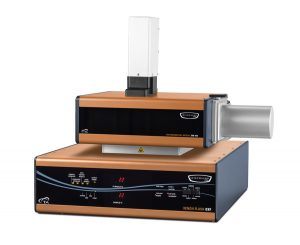
Thermal conductivity defines a material’s ability to transfer heat. Accurate values are essential for understanding and optimizing energy efficiency and predicting thermal performance of materials across a wide range of industries. Thermophysical property measurements also reflect important information about material composition, purity and structure. Steady-state methods determine thermal conductivity directly from the relationship between heat flow through the tested material and a temperature difference applied across the material (Fourier Law). Specimens are positioned between two temperature-controlled plates with a user-defined temperature difference and the average heat flux through the material is measured and from this thermal conductivity and thermal resistance are calculated.