Nanoparticles
Introduction
Nanoparticles are diverse and ever-growing in importance. Their characterization covers a wide range of challenges including:
Determination of size, concentration, content and conformation of nanomedicines including drug and gene delivery vehicles
Stability assessments of colloidal suspensions or nanoemulsions for controlled-release applications
Detection and identification of small quantities of industrial additives that may leach into the environment
Analysis of size distributions, zeta potential, and aggregation behavior dependent on solution conditions, including pH and ionic strength, of nanoparticles, emulsions and colloids utilized in food, cosmetics, semiconductor processing and a host of other consumer or industrial products
Wyatt’s Light Scattering Toolkit provides essential analytical instrumentation for nanoparticles combined with unparalleled levels of automation, sensitivity and resolution. By turning commonly utilized, low-throughput manual measurements into automated, high-throughput workflows, a plethora of new possibilities are opened to scientists and engineers working in this field.
The measurement techniques applied to nanoparticle and colloid characterization in Wyatt instruments are dynamic light scattering (DLS), multi-angle static light scattering (MALS), field-flow fractionation (FFF) and electrophoretic light scattering (ELS).
Properties
Explore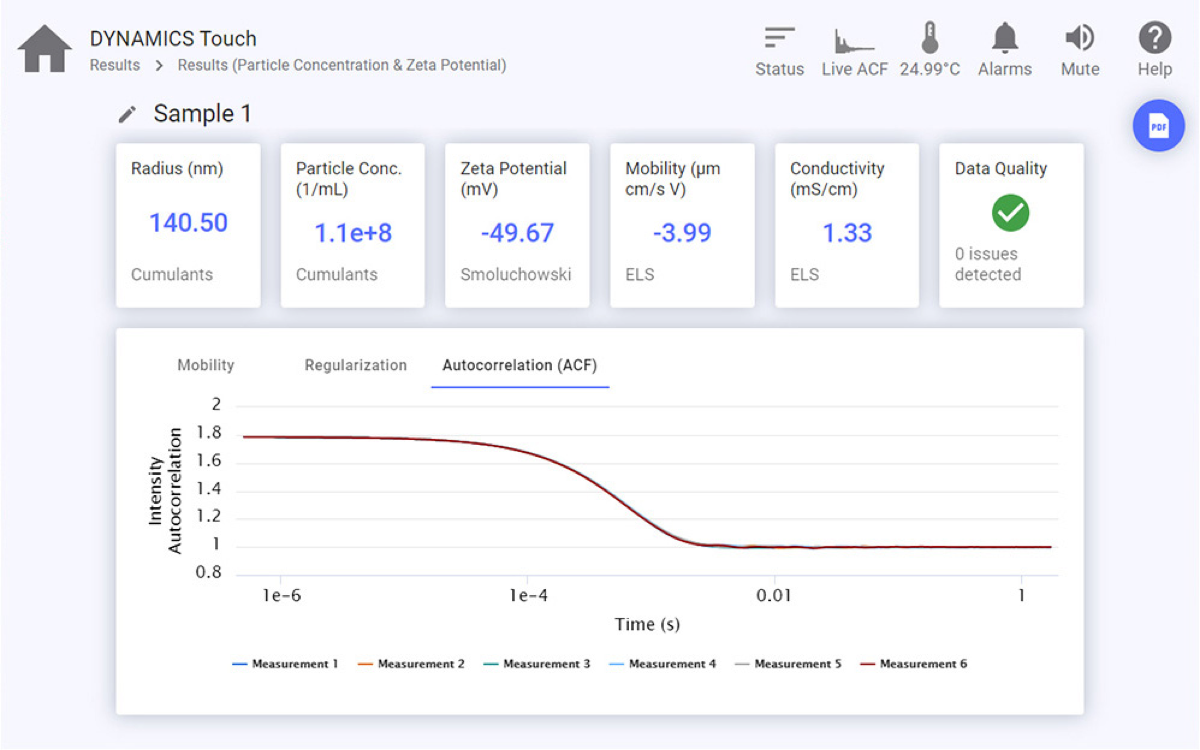
Size Distributions
DLS is a common means for estimating the size of nanoparticle and other colloidal suspensions, and even obtaining a low-resolution size distribution, in all…
Explore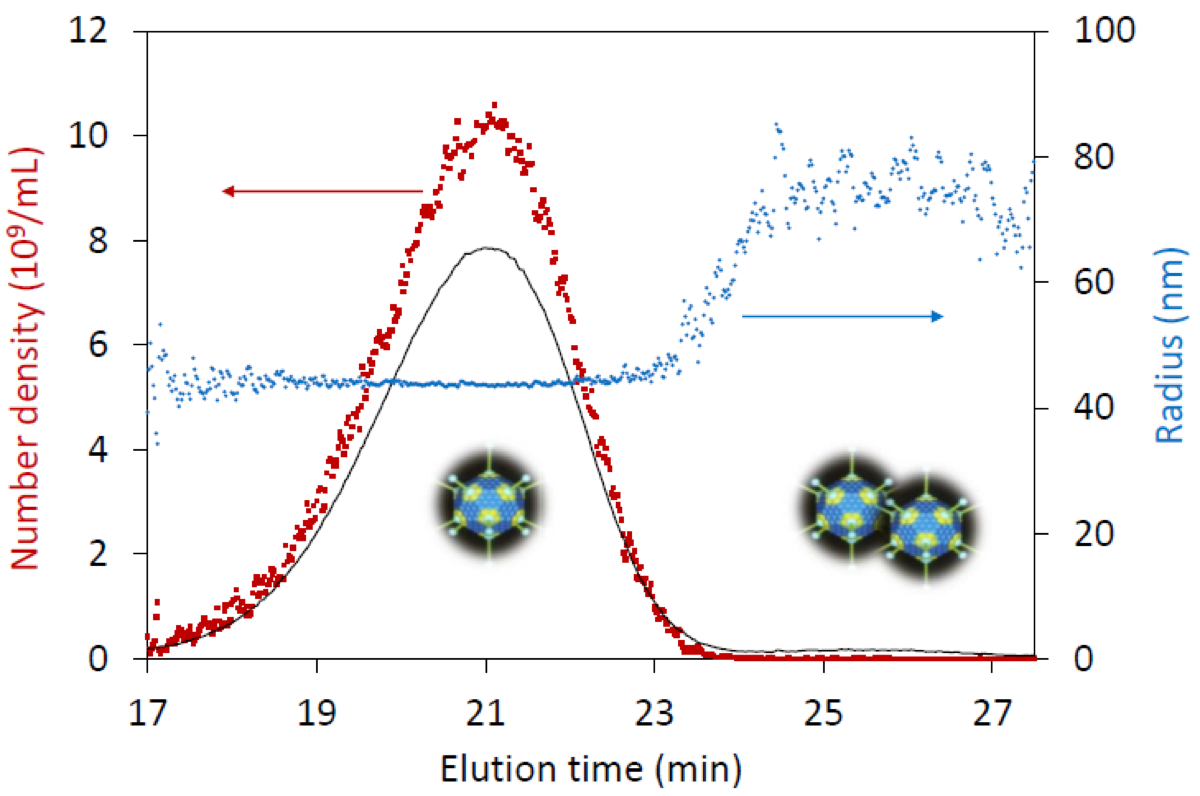
Particle Concentration
Light scattering is an effective means of determining particle concentration (number if particles per mL) and quantitative particle size distributions. A…
Explore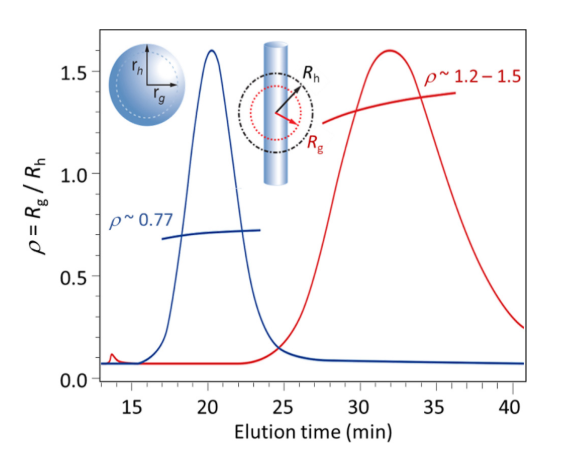
Conformation
While light scattering does not provide high-resolution images of nanoparticles, it is an effective means of learning about the distributions of shapes or…
Explore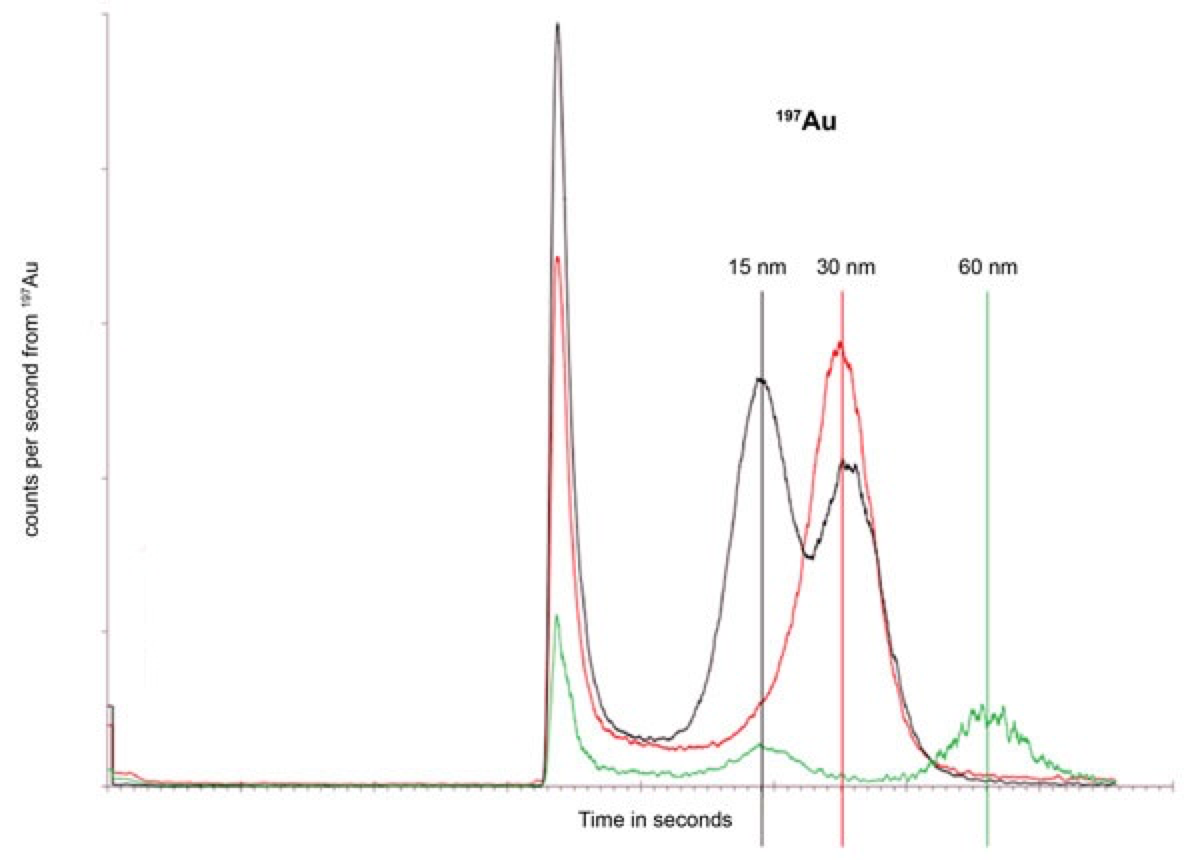
Composition
An FFF-MALS/DLS system can be further coupled to ICP-MS for elemental analysis. In this approach, the size and relative distribution of the eluting particles…
ExploreTechniques
Explore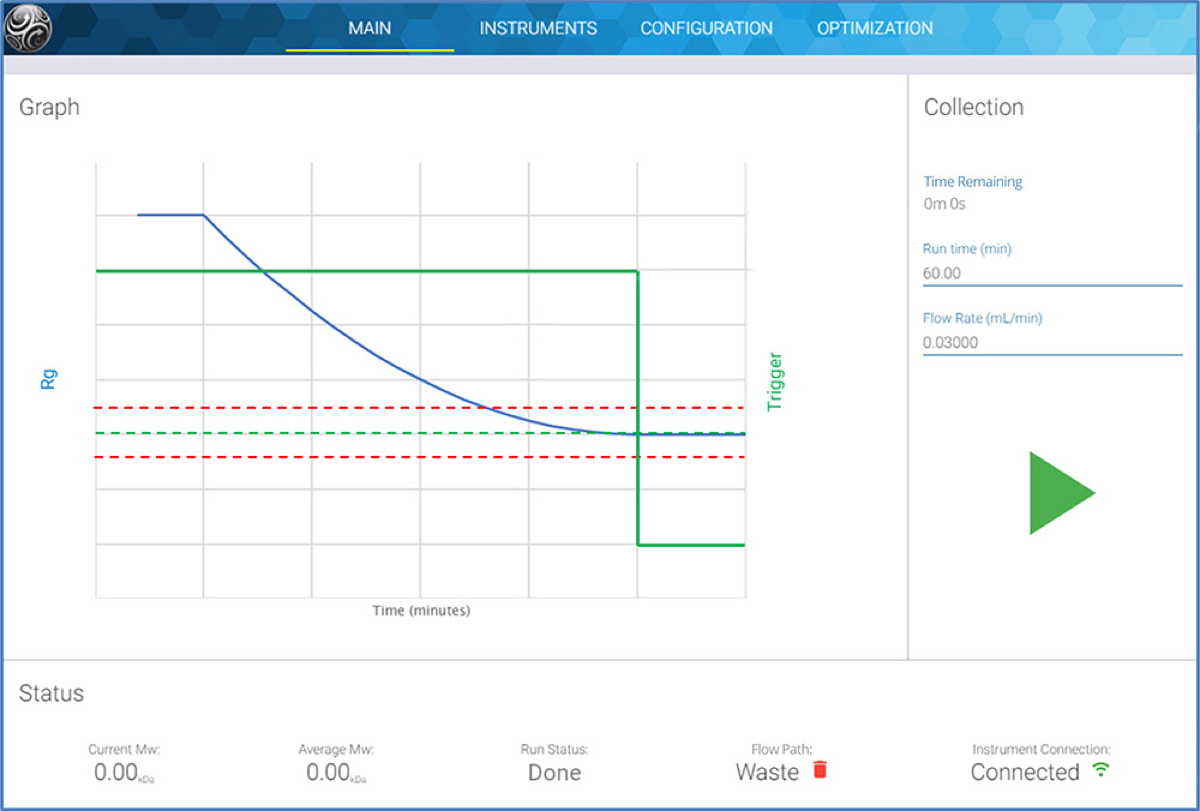
Process Analytical Technology
In current biotherapeutic manufacturing strategies, “the process is the product” means that strict control of process parameters such as pH, temperature, and…
ExploreFormulation
In the formulation process, many combinations of buffer conditions and excipients must be tested for stability and propensity for aggregation. Final selection…
Explore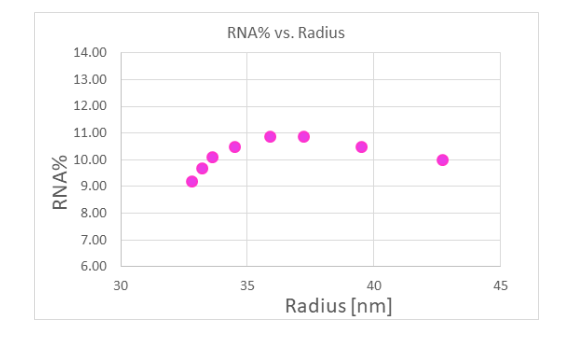
Nano-Formulation and Drug Delivery
Light scattering and field-flow fractionation provide characterization capabilities essential in developing novel nano-formulations, whether RNA-bearing lipid…
Explore