Polymers
Products made from polymers are all around us – from safe and hygienic food and personal care packaging to clothing made of synthetic fibers that protect us from harmful UV rays, polymers are a critical part of our daily lives. The versatility of plastics makes them a lightweight, cost-effective option for replacing traditional materials like wood, metal, ceramics, and glass across applications in the building and construction, automotive, and household segments. Success of plastics is partly driven by their durability; yet, it has also led to an accumulation of plastic waste in the environment due to improper end-of-life waste handling.

High environmental cost of plastics waste is placing significant pressure on scientists and engineers in the polymers industry to innovate and develop more sustainable materials that account for end-of-life waste management while still maintaining product performance. TA Instruments’ robust polymer analysis solutions are designed to support your laboratory’s drive for innovation, so you can focus on building sustainable solutions for a better future, today.
2.3. Teledyne Labs
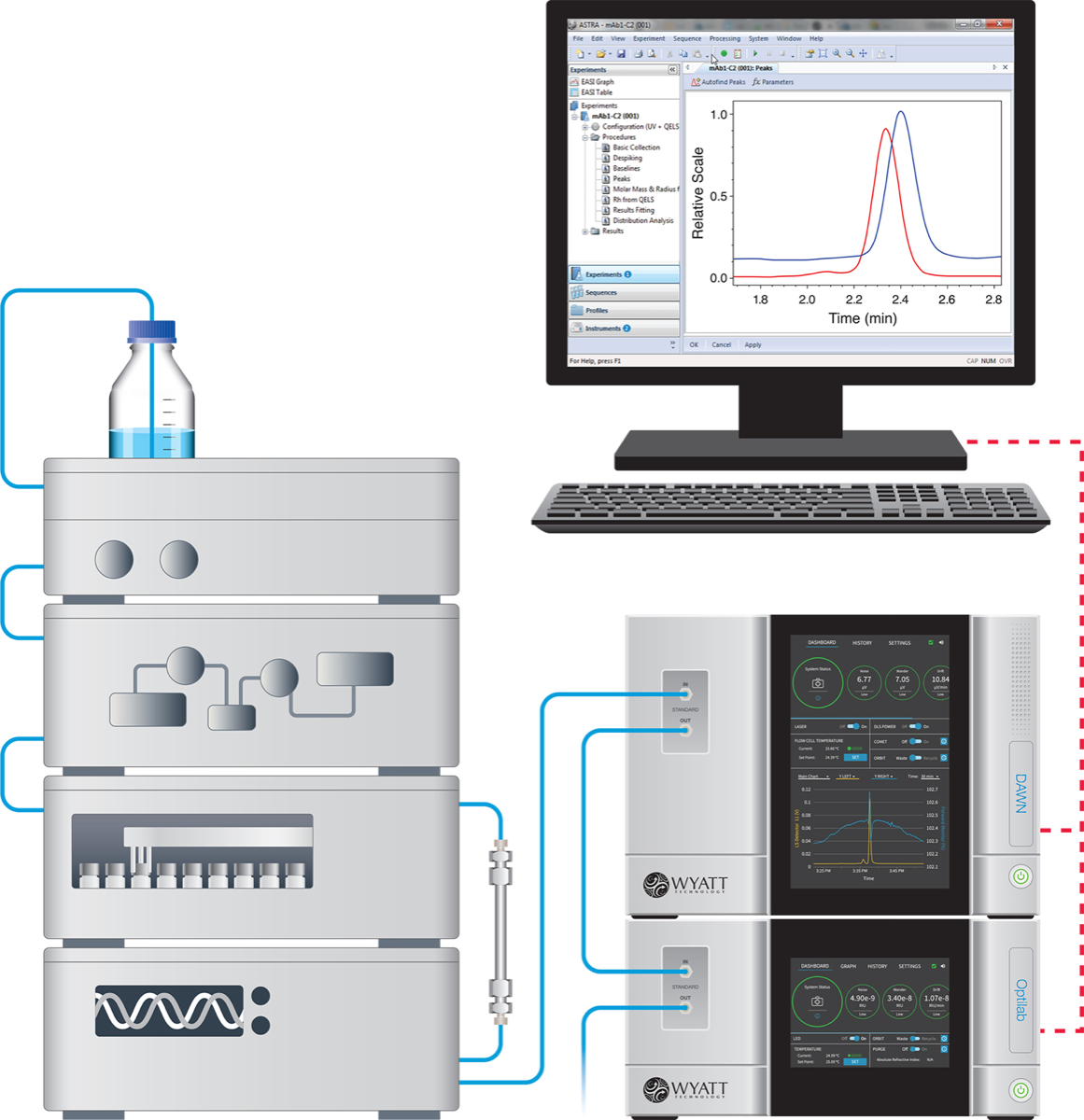
Absolute Molar Mass & Size
Only multi-angle light scattering (MALS) can determine the absolute molar mass and size distributions of heterogeneous polymers independently of retention time…
Explore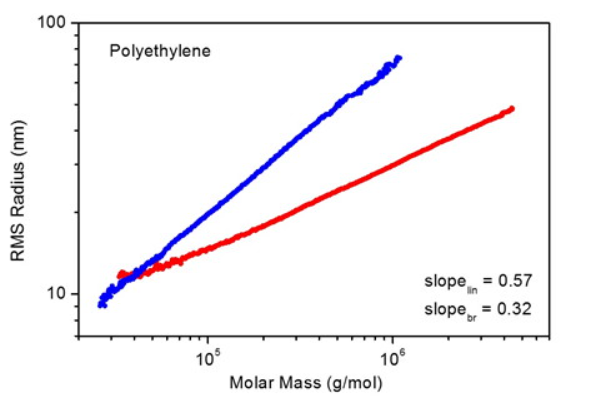
Branching & Conformation
Design and control of polymer branching permit the creation of synthetic materials with novel mechanical, thermal and rheological properties. The most reliable…
Explore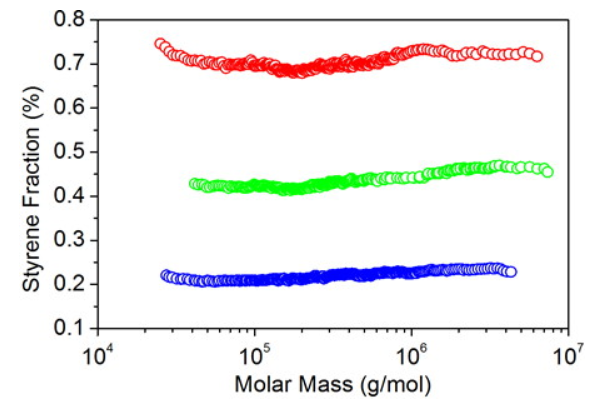
Co-polymer Analysis
Co-polymers are not generally amenable to standard GPC analysis because no reference standards are available to represent elution time vs. molar mass. Even…
Explore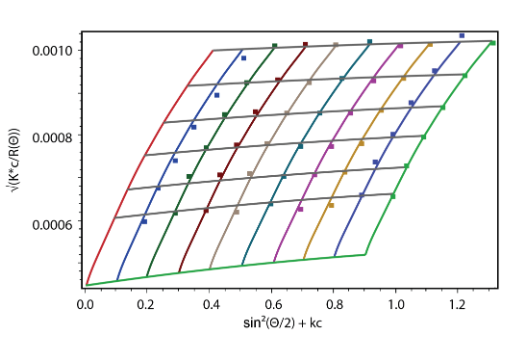
Zimm Plots
Some polymers are too fragile to run through a gel permeation chromatography (GPC) column without degradation, e.g., a macroligand which can dissociate from…
Exploredn/dc Measurement
The differential refractive index dn/dc quantifies the change of refractive index of a solution with concentration of the analyte. There are at least three…
ExploreViscometry & Mark-Houwink
SEC-IV utilizes intrinsic viscosity and empirically determined Mark-Houwink parameters to determine polymer molar masses. The Mark-Houwink parameters depend on…
ExplorePolymerization Kinetics
Since light scattering intensity is directly proportional to molar mass, it is an excellent means of monitoring the progression of a polymerization reaction.…
ExplorePulp & Paper Products
Some interesting analytical challenges are posed by biopolymers from wood pulp and similar natural sources.
ExplorePolysaccharides
Heparin
ExploreBiodegradation
Light scattering is an excellent means for assessing the degradation of biopolymers as a result of exposure to heat, light, high or low pH, and other stimuli.
Explore