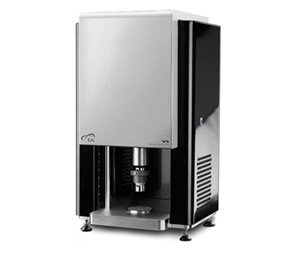
Rubber Testing Instruments
Rubber testing evaluates the processing and final properties of rubber, polymer, and elastomer materials. Across automotive, industrial, consumer, and construction applications, rubber is used in products that need to withstand deformation and maintain their original shape. From durable tires to bouncing kickballs, rubber plays an important role in countless goods that benefit from its unique material properties.
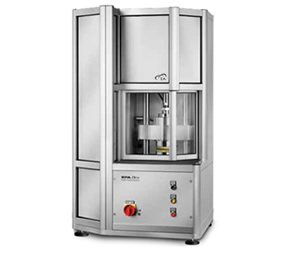
Rubber Process Analyzers (RPA)
2 productshttps://www.youtube.com/watch?v=N8kfKxFTV8o
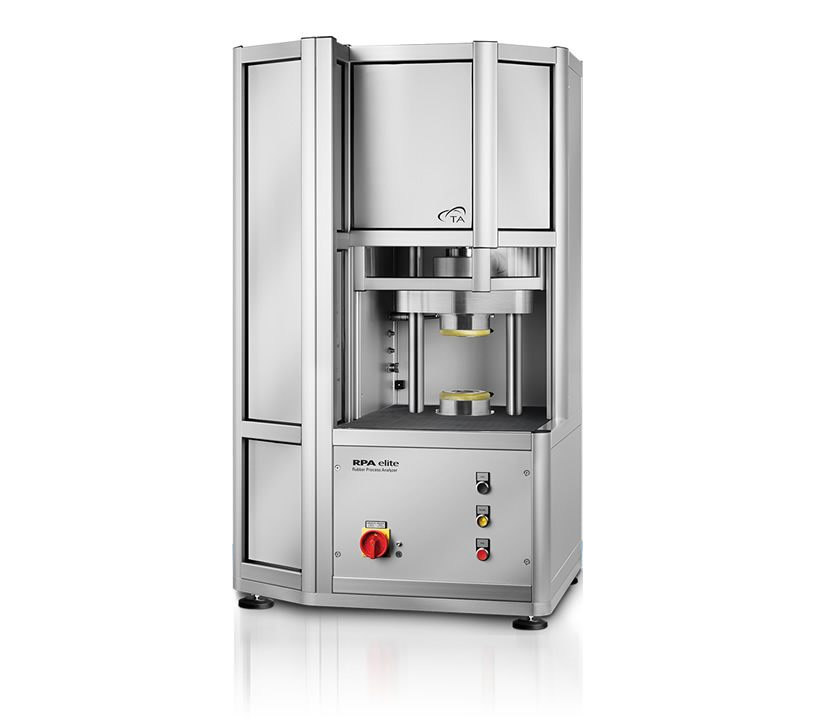
The Rubber Process Analyzer (RPA) is an important tool for developing and controlling the reliable manufacture of elastomers and rubber compounds. The RPA can provide far more information than traditional rubber testing methods such as the MDR or Mooney viscometer. Rheological characterization of rubber materials quantifies their curing properties as well as processability of both compounds and raw material.
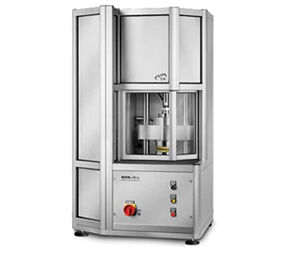
Density (ADT) & Hardness (AHT) Testers
2 productshttps://www.youtube.com/watch?v=Er0cqGF_aoA
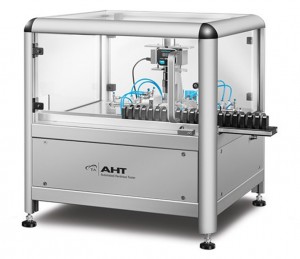
The TA Instruments Automated Hardness tester and Automated Density tester streamline the measurement of cured rubber physical properties. These fully automated instruments test up to 30 samples for sequential, reliable, unattended measurement. Software-driven test set-up, data collection, and pass/fail criteria make these systems truly automated.
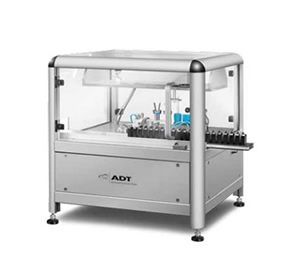
Mechanical Fatigue & DMA
6 productshttps://www.youtube.com/watch?v=bh2ApeDU8bI
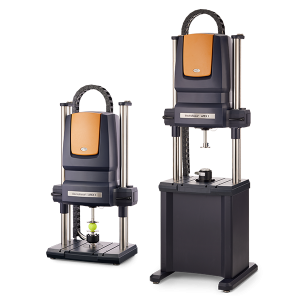
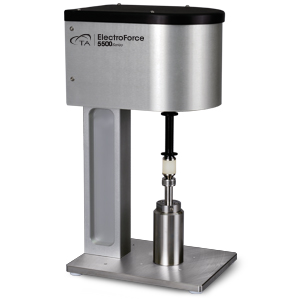
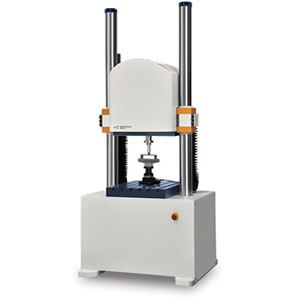
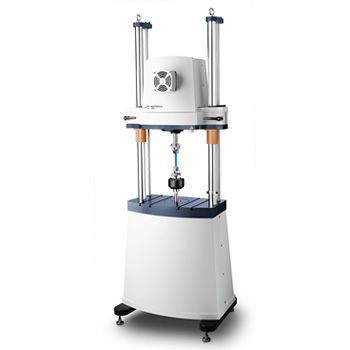
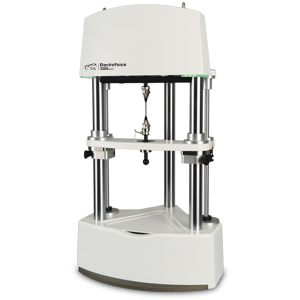
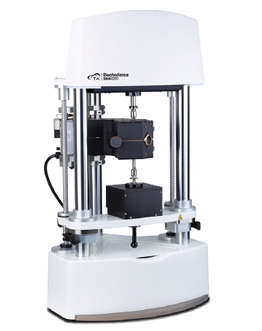
Dynamic Mechanical Analysis measures the mechanical properties of materials as a function of time, temperature, and frequency. In addition to quantifying viscoelastic properties of materials, DMA’s and especially High-Force DMA instruments can also quantify finished component and product characteristics, reflecting the important contribution that processing has on end-use product performance. DMA is commonly used to measure glass transition temperatures and secondary transitions, orientation caused by processing, cold crystallization, cure optimization, filler effects in composites, and much more. DMA provides an accurate measure of material modulus and product stiffness plus other important mechanical properties such as damping, creep, and stress relaxation. High-force DMA extends the powerful DMA techniques to higher forces, larger oven sizes and larger sample fixtures to provide viscoelastic characterization of samples that should not be miniaturized as well as measuring components, assemblies or complete products.