Thermal Analysis
Thermal analyzers typically measure heat flow, weight loss, dimension change, or mechanical properties as a function of temperature. Thermal Analysis is a branch of materials science that studies how changes in temperature affect a material’s properties. Thermal analysis techniques are important to a wide variety of industries, including polymers, composites, pharmaceuticals, foods, energy, petroleum, inorganic and organic chemicals, and many others. Understanding a material’s behavior under different temperatures is crucial for the successful design, processing, and end use of completed products.
The most common thermal analyzers are Differential Scanning Calorimeters, Thermogravimetric Analyzers, Simultaneous Thermal Analyzers, High Pressure Differential Scanning Calorimeters, High Pressure Thermogravimetric Analyzers, Vapor Sorption Analyzers, Dynamic Mechanical Analyzers, and Thermomechanical Analyzers. Properties characterized include melting, crystallization, glass transitions, cross-linking, oxidation, decomposition, volatilization, hygroscopicity, coefficient of thermal expansion, and modulus. These experiments allow the user to examine structure-property relationships, end-use performance, composition, processing, stability, and molecular structure and mobility.
All TA Instruments thermal analysis instruments are manufactured to exacting standards and with the latest technology and processes for the most accurate, reliable, and reproducible data available. Multiple models are available based on testing needs, including configurations suitable for high sensitivity R&D as well as high throughput quality assurance. Available automation allows for maximum unattended laboratory productivity in all test environments. As the world leader in Thermal Analysis for over 50 years, TA Instruments brings technical expertise in thermal analysis measurements and provides a world-renowned global support network that is specialized in thermal analysis.
Differential Scanning Calorimeters
6 productsDifferential Scanning Calorimeters (DSC) - TA Instruments
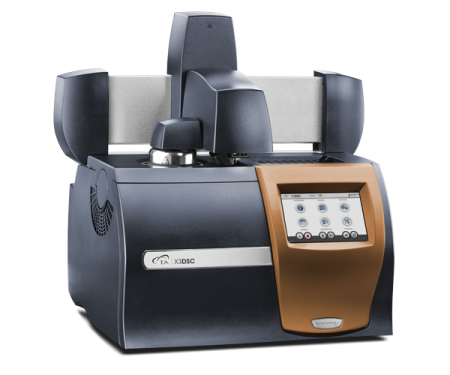
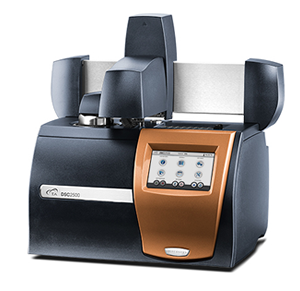
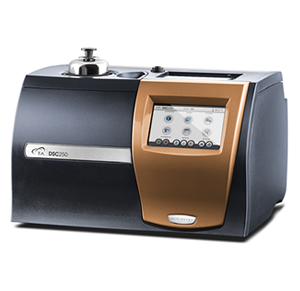
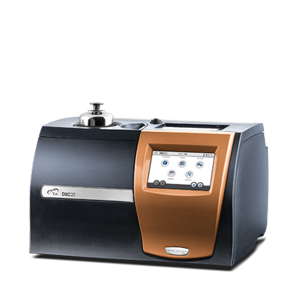
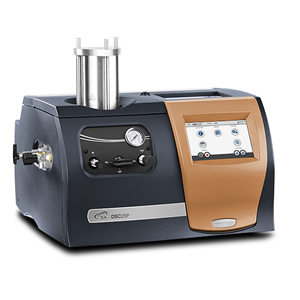
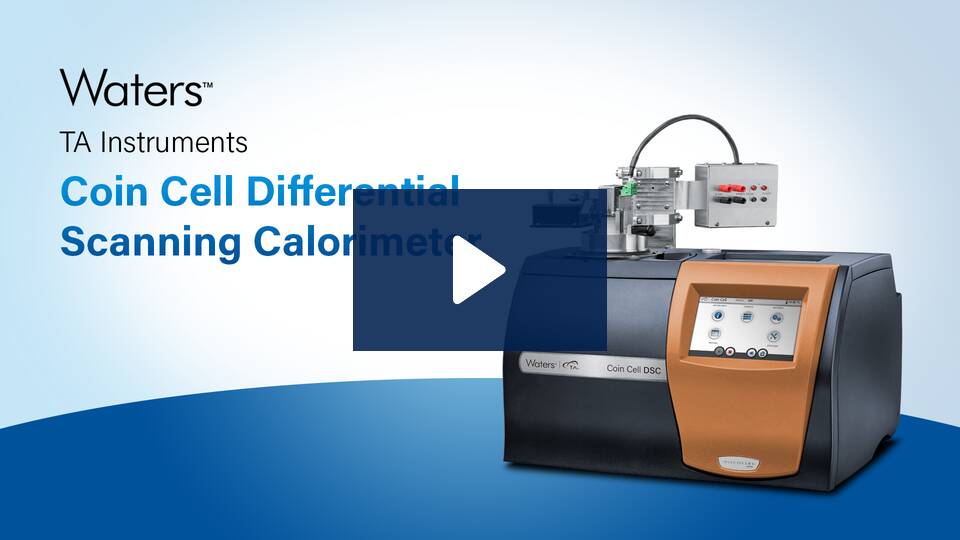
Differential Scanning Calorimeters (DSC) measure temperatures and heat flows associated with thermal transitions in a material. Common usage includes investigation, selection, comparison, and end-use performance evaluation of materials in research, quality control and production applications. Properties measured by Waters TA Instruments’ DSC techniques include glass transitions, “cold” crystallization, phase changes, melting, crystallization, product stability, cure / cure kinetics, and oxidative stability.
Thermogravimetric Analyzers (TGA)
7 productshttps://www.youtube.com/watch?v=SKsg8MOFilQ
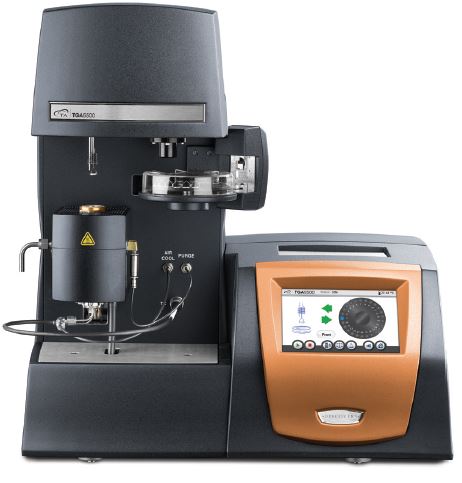
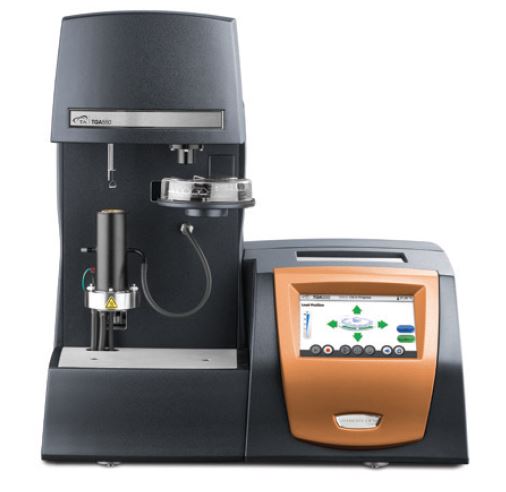
Thermogravimetric analyzers (TGA) measure changes in weight (loss or gain) and the rate of weight change as a function of temperature, time, and atmosphere. Thermogravimetric data is critical in Differential Scanning Calorimetry method development work for the determination of appropriate temperature limits. Other common uses include thermal and oxidative stability of materials, moisture and volatile contents, composition of multi-component materials, decomposition kinetics, and the effects of reactive or corrosive atmospheres on a product’s estimated lifetime.
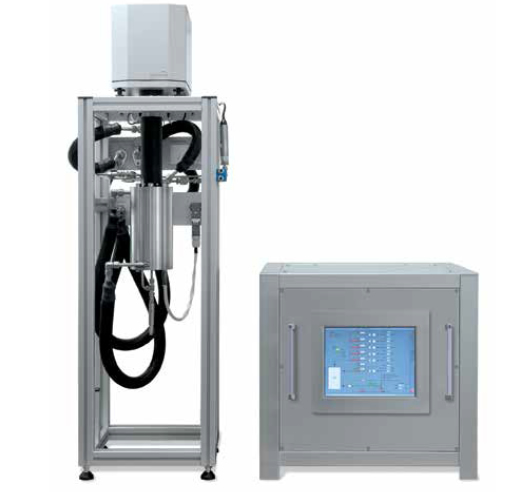
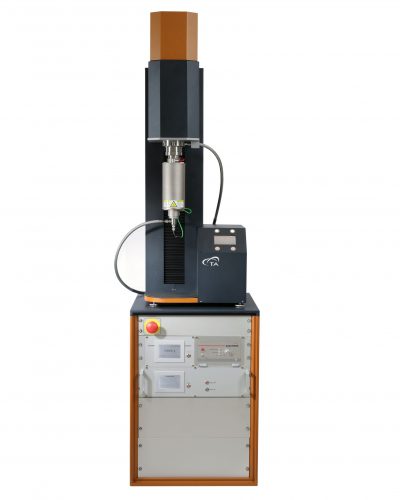
High Pressure Thermogravimetric Analyzers (HP-TGA)
2 productshttps://www.youtube.com/watch?v=SKsg8MOFilQ
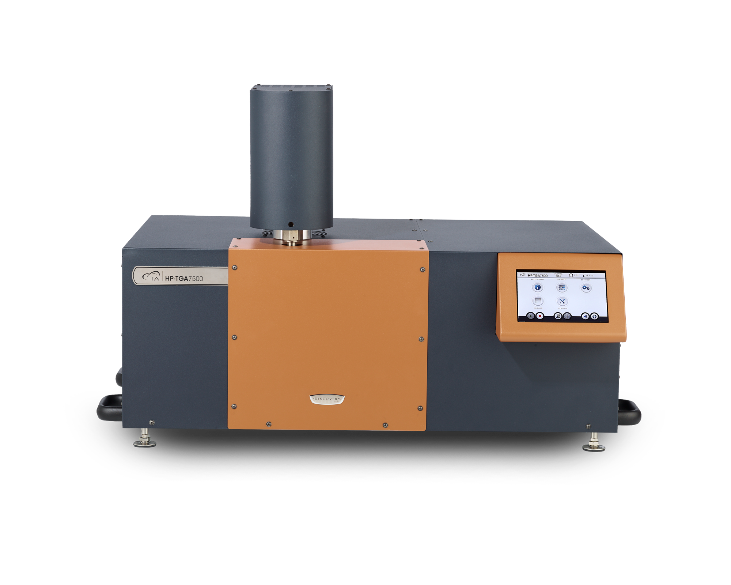
TA Instruments | Waters is the world’s leading supplier of High-Pressure Thermogravimetric Analyzers
Dynamic Mechanical Analyzers (DMA)
3 productshttps://www.youtube.com/watch?v=egR8QpDcZOg
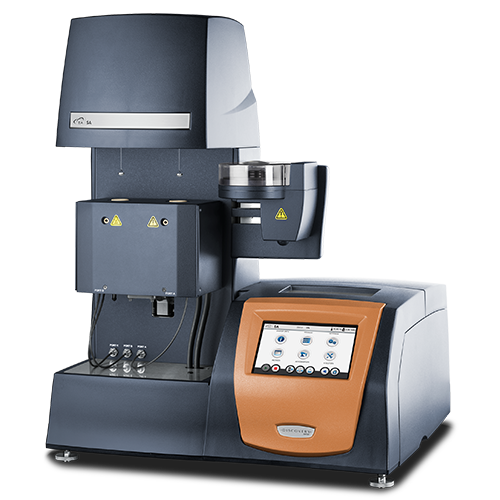
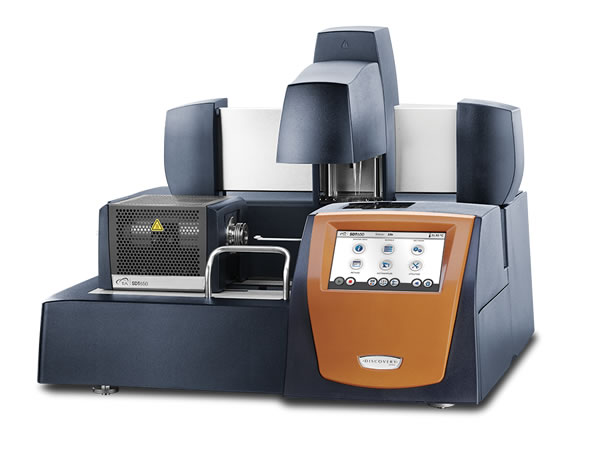
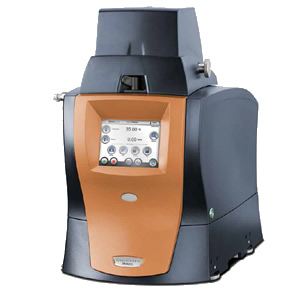
Dynamic Mechanical Analyzers (DMA) measure the mechanical properties of materials as a function of time, temperature, and frequency. In addition to quantifying viscoelastic properties of materials, DMA can also quantify finished component and product characteristics, reflecting the important contribution that processing has on end-use product performance. DMA is commonly used to measure glass transition temperatures (Tg) and secondary transitions, orientation caused by processing, cold crystallization, cure optimization, filler effects in composites, and much more. DMA provides an accurate measure of material modulus and product stiffness plus other important mechanical properties such as damping, creep, and stress relaxation. A Dynamic Mechanical Analyzer is a mechanical instrument that applies specific displacement or force to a sample and very accurately quantifies its force versus displacement response. Its measurements extend beyond simply quantifying the magnitude of force divided by the displacement magnitude; it accurately calculates the phase relationship between the signals. This enables a DMA instrument to quantify the elastic (spring-like) versus viscous (fluid-like) components of the sample response which is crucial for reliable and complete viscoelastic property characterization such as Storage Modulus, Loss Modulus, and Tan delta. These viscoelastic properties are almost always evaluated over a range of temperatures, using oven and cooling accessories, which then can provide many insights into structure-property relationships and how materials perform at different use temperatures. Some advanced methods include TTS (Time-Temperature Superposition), curing studies, creep-recovery, and stress-relaxation analysis.
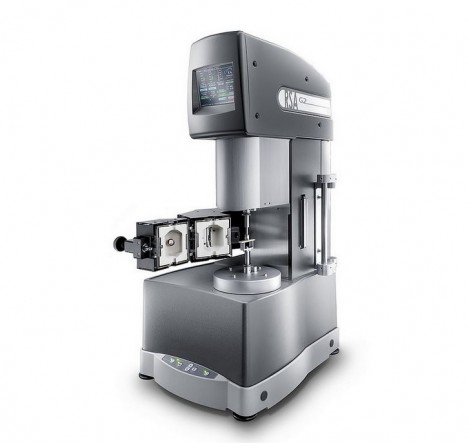
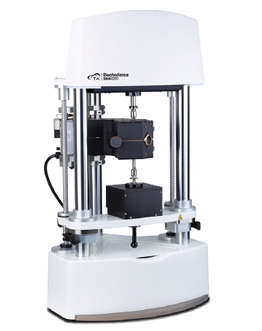
Thermomechanical Analyzers (TMA)
2 productshttps://www.youtube.com/watch?v=CXhz2r-a3Gw
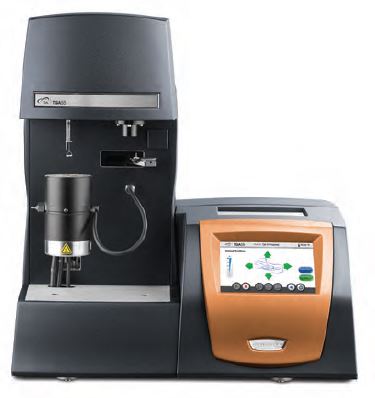
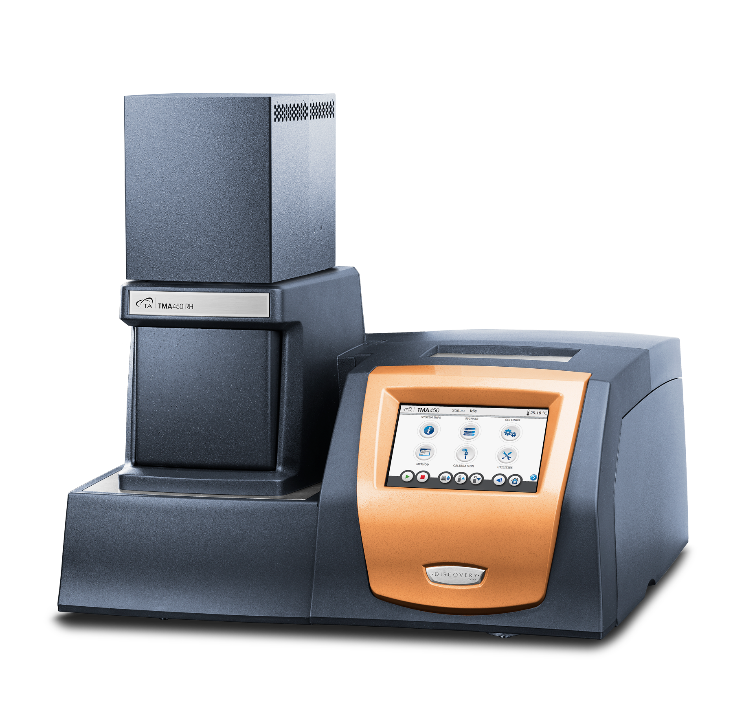
Thermo-mechanical Analysis (TMA) measures changes in the dimensions of a sample as a function of time, temperature, and force in a controlled atmosphere. TMA can measure Coefficient of Thermal Expansion (CTE), along with transitions such as the glass transition (Tg). It can provide information on the compatibility of materials, suitability of materials for special environments, mechanical properties, or physical characteristics of materials.
Sorption Analyzers (SA)
2 productshttps://www.youtube.com/watch?v=smOkHlyM_EY
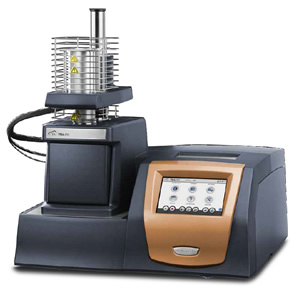
In Gravimetric Sorption Analysis, the weight change of a solid or liquid sample due to ab- or adsorption is measured at controlled temperature and pressure or humidity in the presence of a gas, gas mixture or vapor atmosphere. Stepwise or continuous change of the pressure, humidity, or composition of the gas atmosphere alter the ab- or adsorption of the gas or vapor in the sample material. This is detected with high resolution and accuracy by the microbalance which continuously weighs the sample material. The measured sample mass change in relation to the pressure, humidity, or composition describes the sorption capacity of the material. The continuous recording of the weight after a change of environmental conditions characterizes the sorption kinetics.